
Do Solar Panels Work on Cloudy Days ?
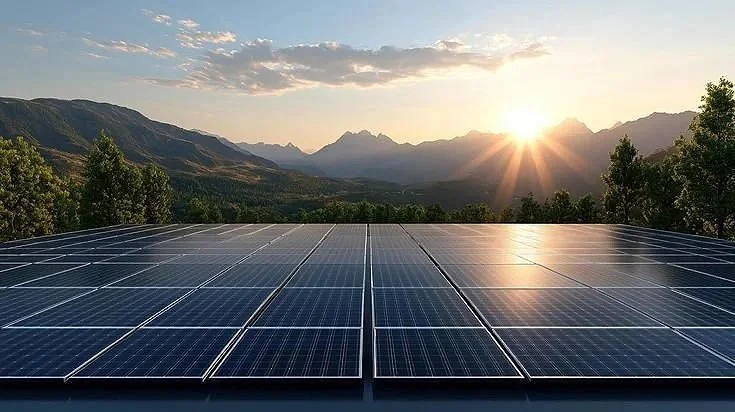
Yes, solar panels do work on cloudy days, but they generate less energy than on clear, sunny days.
How Much Power on Cloudy Days?
On a typical cloudy day, solar panels often produce somewhere around 10–25% of their usual output, depending on how thick and dark the cloud cover is.
Some monitoring studies and field data show that in lighter or higher cloud, systems can still deliver much more than that, while heavy, low dark cloud can cut output by 70–90%.
Why They Still Work Without Direct Sun
Panels generate electricity from light, not heat, and they can use “diffused” sunlight that is scattered through the clouds, not just direct beams.
Modern panels and inverters are designed to keep tracking and converting this lower‑intensity light so the system keeps running, just at reduced power.
Cloud Type and Weather Effects
Light, high cloud: output may be close to normal, sometimes with only a modest drop.
Overcast or uniform grey skies: output commonly falls by around 50% compared to a clear day.
Dark, low storm clouds or heavy rain: output can drop sharply, sometimes to 10–30% of normal, though the system usually still produces some power.
What This Means for Your Bills
Even with regular cloudy days, a well‑sized system still produces most of its annual energy over the year because sunny and partly sunny days dominate the totals in many Australian locations.
If you have a battery, stored energy from sunnier periods can help smooth out usage when clouds temporarily reduce production.