
Are Solar Batteries Worth It in Australia in 2026?
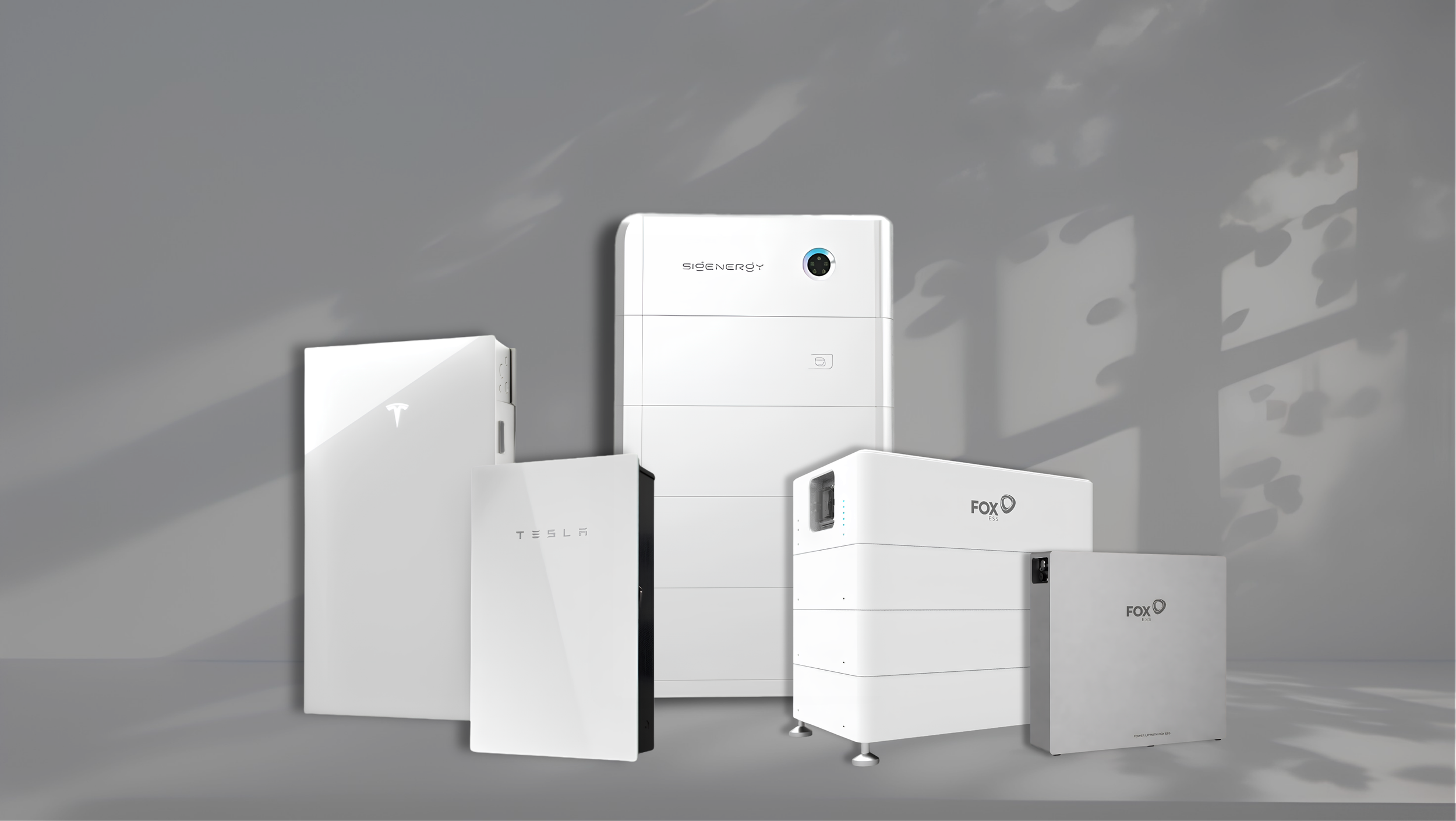
With rising electricity prices, falling feed-in tariffs, and new government incentives, solar batteries have become one of the most talked-about upgrades for Australian households. But while the economics have improved significantly, batteries are not a one-size-fits-all solution. Their value depends heavily on how and when you use electricity, the tariffs you’re on, and whether you can access rebates or programs that improve returns.
Solar batteries are becoming financially attractive for many Australian households in 2026, but they are not a universal “yes” – they work best for homes with higher evening usage, suitable tariffs, and access to rebates or Virtual Power Plant (VPP) programs.
Why Batteries Make More Sense Now
Electricity prices have risen, with peak residential rates in 2026 commonly in the low- to high-40-cents-per-kWh range in states like South Australia, while solar feed-in tariffs often sit below 10 cents per kWh.
That gap means each kWh you store and later use in the evening can be worth four to six times more than exporting it, which significantly boosts the value of a battery when you have solid evening demand.
Newer lithium-iron phosphate (LFP) batteries offer improved cycle life and 10-year (or more) warranties, aligning better with the payback periods now achievable under current prices and incentives.
With rising petrol prices and the growing adoption of electric vehicles, household electricity demand is expected to increase over time—making battery storage a more important investment as homes move towards energy independence.
When a Battery Is Likely “Worth It”
Batteries tend to stack up best in 2026 if:
You use a decent amount of power in the late afternoon and evening (e.g. families with heating/cooling, cooking, and entertainment loads after sunset).
You are on time-of-use or high peak tariffs, or expect to be, so shifting usage away from peak grid rates delivers strong savings.
You can access federal rebates (around 30% off) and possibly state programs or manufacturer/VPP rebates, which can collectively remove several thousand dollars from the upfront cost.
You join a reputable VPP that pays you for allowing your battery to help support the grid, adding perhaps a few hundred dollars per year to the benefit.
When a Battery Might Not Be Worth It (Yet)
If your overall consumption is low (for example, a small household out most evenings), there may not be enough night-time usage to fully cycle the battery and justify the cost.
Homes on flat, relatively low tariffs with modest peak/off-peak differences will see weaker economics than those facing very high peak rates.
If your priority is pure financial return and you have not yet optimized your rooftop solar size, improving or upsizing your PV system is often a better first investment than jumping straight to storage.
Beyond the Dollars: Non-Financial Reasons
Energy independence: Many households value using more of their own solar and reducing reliance on volatile grid prices, even if payback is at the longer end.
Backup power: Some batteries can provide backup during outages, which is especially important in areas with less reliable grids or for people reliant on critical home equipment.
Supporting the grid: Participating in VPPs can help stabilize the network and support broader renewable integration, which some households see as an environmental and community benefit.
Bottom Line for 2026
For a typical Australian home with solid evening usage, high grid prices, and access to current rebates and VPP income, solar batteries in 2026 are often financially reasonable, with payback now frequently under or around their warranty life. However, they are still a case-by-case decision: households with low evening demand or mild tariffs may find that a bigger or better-designed solar PV system delivers a clearer return than a battery upgrade right now.
Green Arrow Electricalcan help you assess whether a battery is the right fit for your home based on your energy usage, tariffs, and future plans. Our team provides tailored system recommendations, handles rebate eligibility, and ensures your installation meets all current standards. With local in-house installers and ongoing support, we focus on delivering reliable, long-term solutions that maximize your savings and energy independence.