
What Does a Solar Inverter Do?
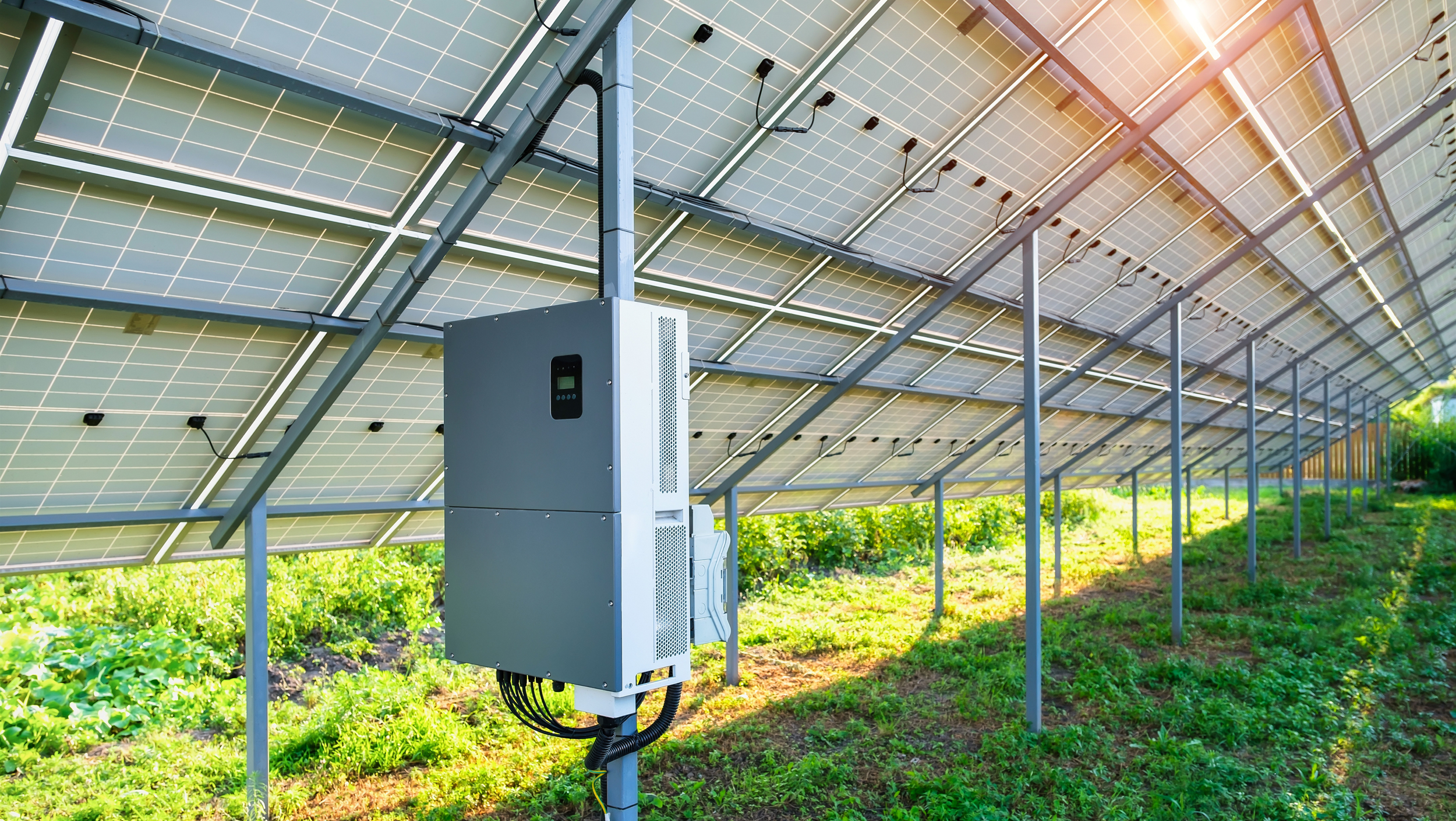
A solar inverter is the devicethat turns the electricity your panels produce into usable power for your home and the grid. Without it, your solar panels would generate energy that most appliances simply cannot use.
The Core Job: DC to AC Conversion
Solar panels produce direct current (DC) electricity, but homes and the grid run on alternating current (AC).
The inverter converts that DC into AC at the correct voltage and frequency so your lights, appliances, and air‑conditioning can use it safely.
Grid Connection and Export
In a grid‑connected system, the inverter synchronizes your solar power with the grid so both can work together without damaging equipment.
It also sends any excess solar energy you are not using back into the grid, allowing you to receive feed‑in credits from your retailer.
Optimizing Energy Production
Modern inverters use Maximum Power Point Tracking (MPPT) to constantly adjust how hard the panels are “worked”, so they operate at their most efficient point as sunlight and temperature change.
This optimization helps you get the most possible energy (and savings) from your system across the day.
Monitoring and Smart Features
Most inverters provide monitoring via an app or web portal so you can see how much your system is generating and when you’re using power.
They also log faults and performance issues, which helps you and your installer quickly spot and fix problems.
Safety and Protection
Inverters constantly check voltage and frequency to keep your system operating within safe limits.
They are designed to shut down automatically during a grid outage (anti‑islanding) so your system doesn’t back‑feed into the lines while crews are working on them.