
How Long Can a Home Solar Battery Power Your House?
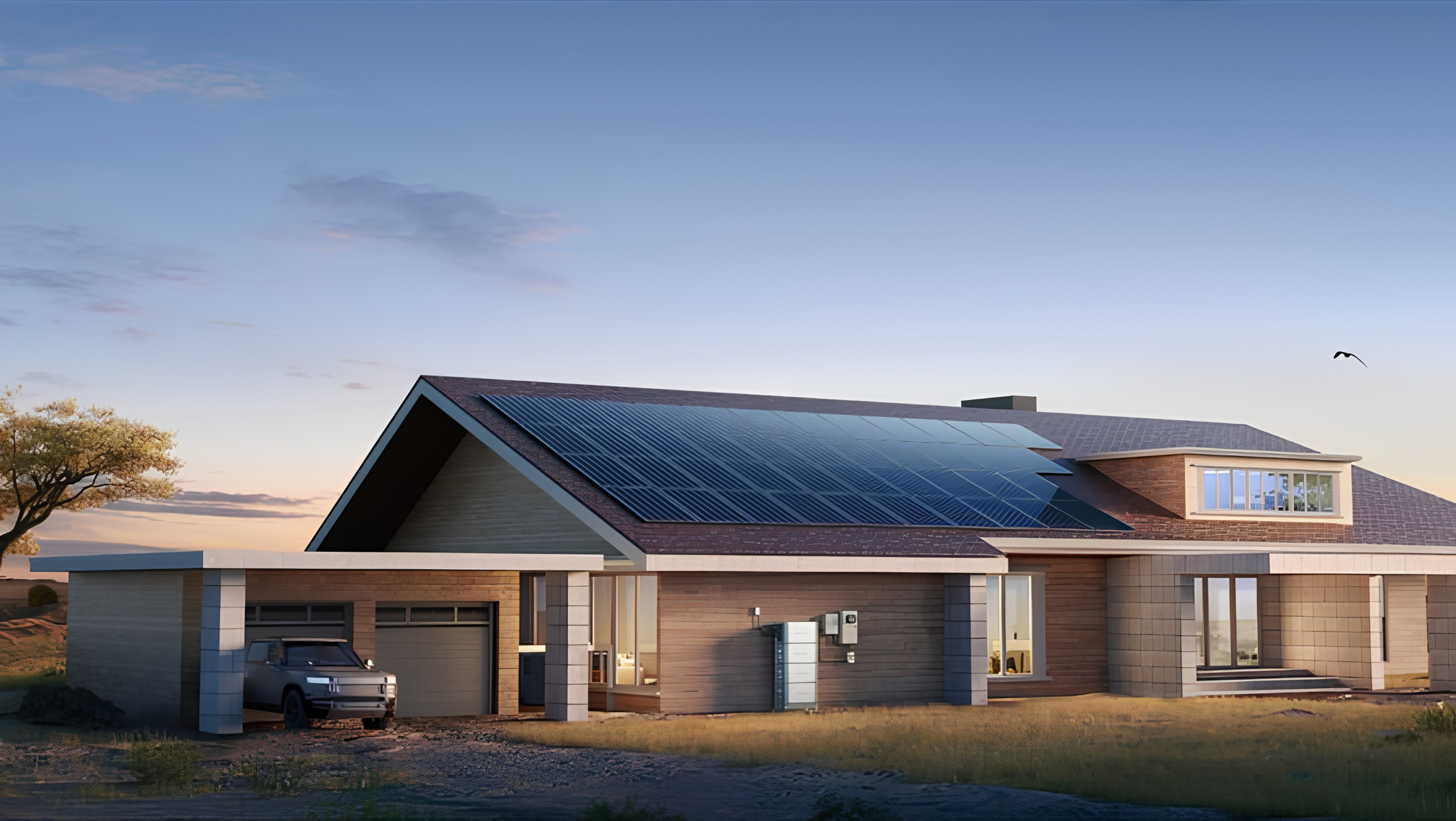
One of the most common questions homeowners ask is how long a solar battery can actually run their home. The answer isn’t one-size-fits-all—it depends on your battery size, how much electricity you use, and whether you’re running essentials or the whole house. Understanding this helps set realistic expectations and ensures you choose the right battery for your lifestyle.
A home solar battery can typically power an Australian home for anywhere from a few hours up to a full day or more, depending mainly on battery size and how much electricity you’re using at the time.
The Simple Rule of Thumb
Think of it this way: Battery run time ≈ battery size (kWh) ÷ your average hourly use (kW).
If you use 1 kW on average → a 10-kWh battery lasts about 10 hours
If you use 2 kW → the same battery lasts about 5 hours
Australia’s average daily household usage is around 15 kWh per day (spread over 24 hours), but most homes use more power in the evening than overnight.
Example 1: 10 kWh Battery, “Essentials Only”
Imagine a 10-kWh battery where you only run essential loads during an outage:
LED lights
Fridge
Wi-Fi and TV
Phone/computer charging
This typically uses around 0.5–1 kW.
At 0.5 kW → ~20 hours
At 1 kW → ~10 hours
In this mode, a 10-kWh battery can usually get you through the night and into the next day.
Example 2: 10 kWh Battery, “Normal Evening Use”
If you use power more normally:
Whole-house lighting
Fridge and freezer
TV and devices
Cooking appliances
Heating/cooling
Usage increases to around 2–3 kW.
At 2 kW → ~5 hours
At 3 kW → ~3–4 hours
This means a 10-kWh battery can comfortably cover peak evening hours (3–6 hours), but not a full day without careful usage.
What Makes a Battery Last Longer (or Shorter)
1. What you run
High-usage appliances like ducted air con, ovens, and pool pumps drain batteries quickly, while essentials use much less.
2. Load management
Turning off non-essential appliances and planning usage can significantly extend battery life.
3. Battery size
Larger batteries naturally last longer. Also focus on usable capacity, not just total capacity.
4. Solar generation during the day
If your solar system continues generating during daylight, it can recharge the battery and power loads—extending runtime significantly.
Easy Way to Estimate for Your Home
Check your bill
Find your average daily usage (e.g., 15 kWh/day)Estimate “backup usage”
You’ll likely reduce usage in an outage (e.g., 0.5–0.7 kW average)Do the math
Example:
10 kWh ÷ 0.7 kW ≈ 14 hours
This gives you a realistic expectation of how long your battery will last in real conditions.
A solar battery doesn’t usually aim to power your entire home for days—it’s designed to cover key periods like evenings, peak tariffs, or outages. With the right size and smart usage, it can provide reliable backup and maximize the value of your solar system.
Green Arrow Electrical can help you choose the right battery size based on your household usage, lifestyle, and backup expectations. Our team provides tailored advice, explains real-world performance (not just specs), and ensures your system is designed for both efficiency and reliability. With Adelaide-based in-house installers and strong after-sales support, we focus on delivering practical solutions that give you confidence in how your battery will perform when you actually need it.