
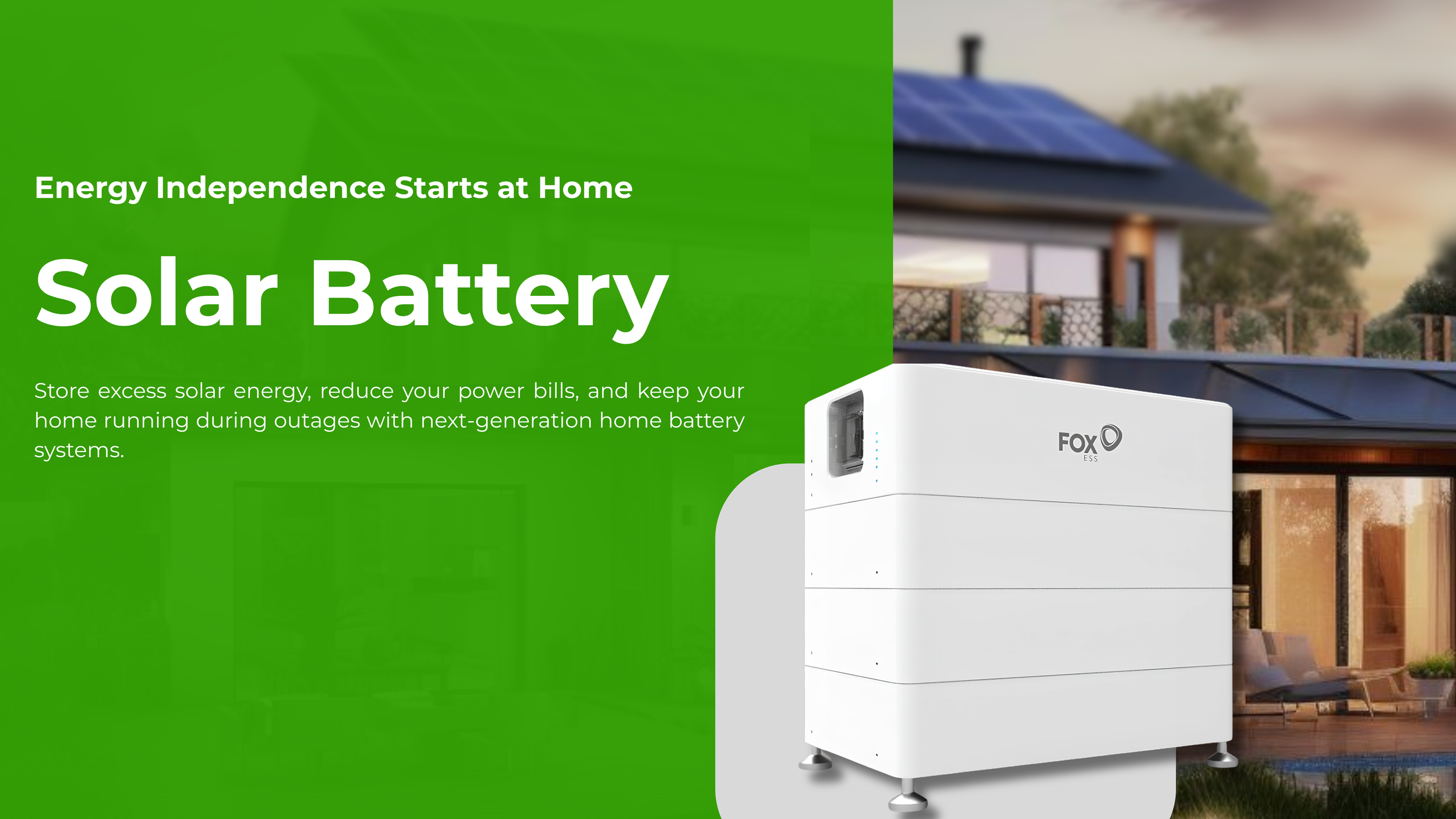
What happens to your solar power when the sun goes down?
Your solar system works hard during the day, but without a battery, most homes still rely on the grid at night. That means the energy your panels produce during the day isn’t always fully used when you actually need it.
A solar battery changes that.
Instead of sending excess solar energy back to the grid, a home solar battery stores it so you can use it later — in the evening, overnight, or during a power outage. This gives you far more control over how and when you use your own energy.
Take more control of your home energy
For many Adelaide homeowners, adding a battery is the next step after installing solar panels. It allows you to rely less on electricity providers and use more of your own generated power instead of buying it back from the grid.
This means:
More energy independence
Less exposure to rising electricity prices
Better use of the solar energy your system produces
In some cases, a battery can also provide backup power to keep essential appliances running during outages, depending on the system design.
Adding a Battery to Your Existing Solar System
If you already have solar panels installed, you don’t need to replace your system to add battery storage. In most cases, a battery can simply be added to your existing setup using what is known as an AC coupled system.
In simple terms, an AC coupled battery works alongside your current solar inverter. Your solar panels continue generating power as usual, and any excess electricity is converted into AC power and stored in the battery instead of being sent back to the grid.
This makes it one of the most common and practical ways to upgrade an existing solar system without starting from scratch.
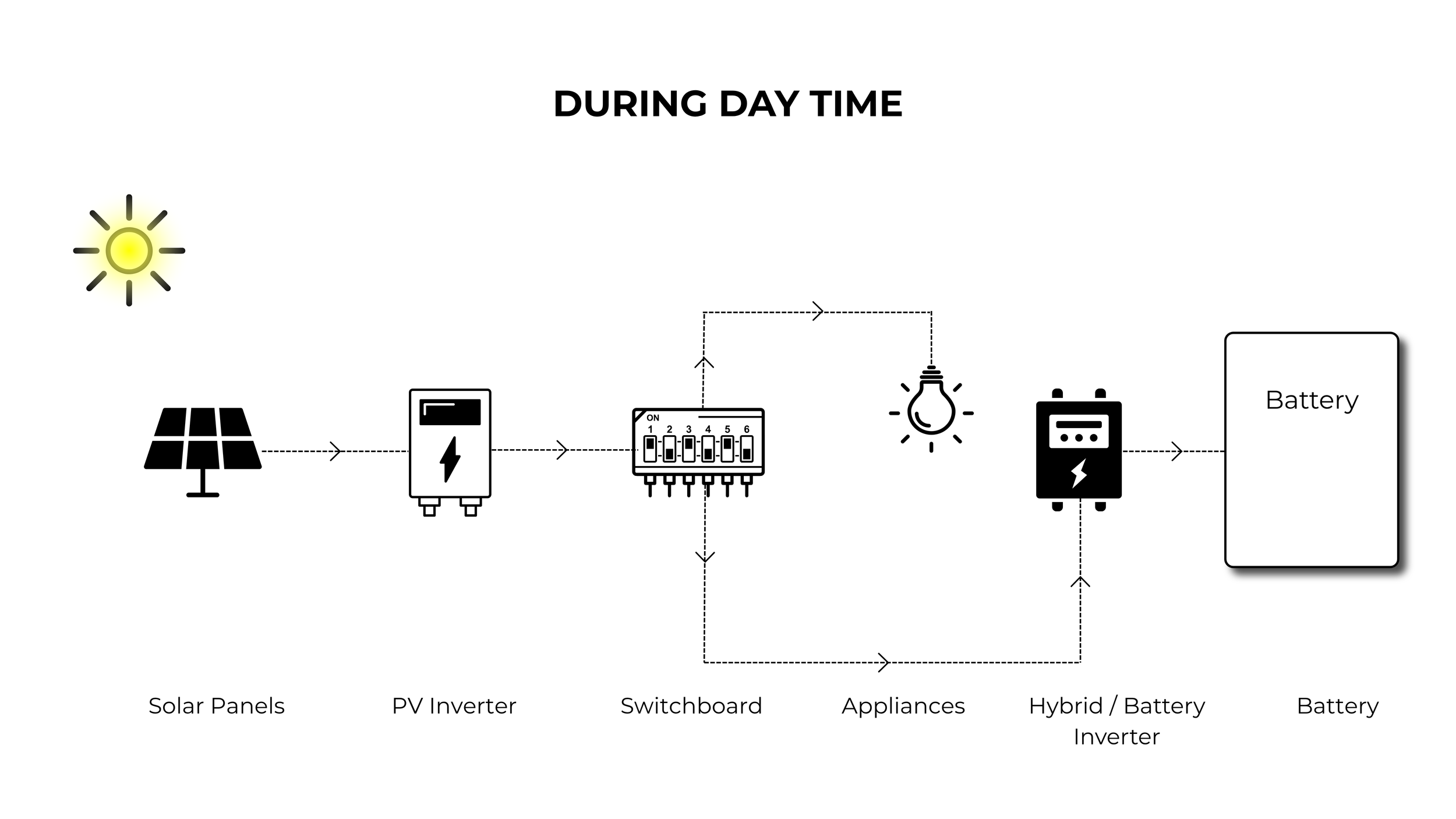
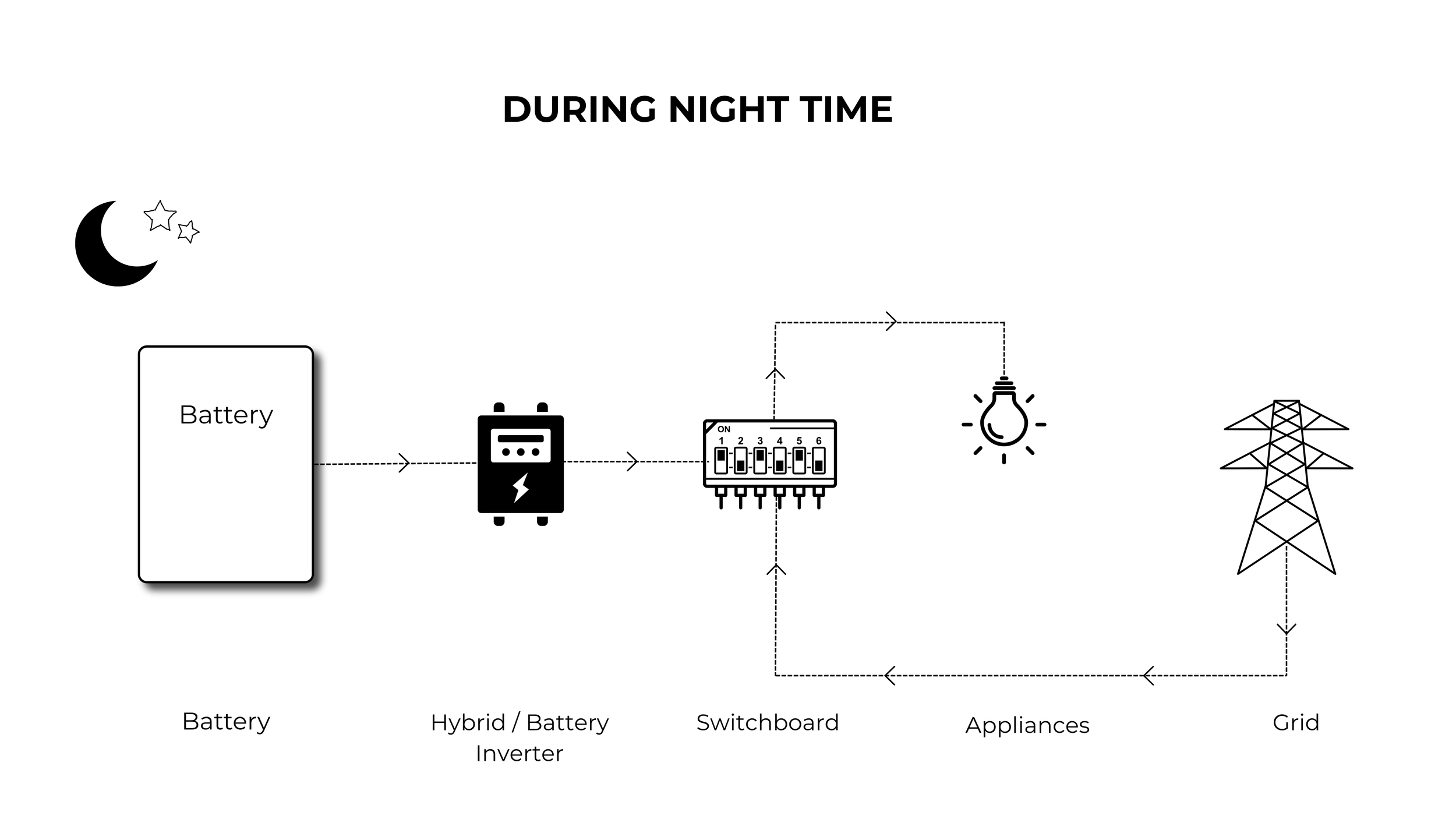
At night, your home runs on the energy stored in your battery, and if it runs low, your system automatically switches back to grid power to ensure you never run out of electricity.
Designed to work with your existing solar system
At Green Arrow Electrical, we install solar battery systems that are designed to integrate properly with your current or new solar setup.
Whether you are:
Adding a battery to an existing solar system
Or installing a full solar and battery system together
We make sure your system is correctly sized, compatible, and optimised for performance.
Every home has different energy usage patterns, so we design systems based on how you actually use power — not just generic estimates.
Is a solar battery right for your home?
A battery is not a one-size-fits-all solution, which is why honest advice matters.
A solar battery system is typically best suited for homeowners who:
Use more electricity in the evening or at night
Want backup power during blackouts
Already have solar and want to maximise savings
Are aiming for greater energy independence
During our assessment, we’ll help you understand whether a battery makes financial sense for your home and how much additional benefit it will realistically provide.
If you’re thinking about upgrading your solar system or installing a battery for the first time, the best starting point is a proper system design based on your home’s energy usage.
👉 Talk to Green Arrow Electrical about the right solar battery system for your home.
The Smarter Side of Solar

Use More of Your Own Solar
Your solar panels generate the most electricity during the day, but that’s not always when you use the most power. A battery stores your excess solar energy so you can use it later, helping you get more value from the electricity your panels produce.
Rely Less on the Grid
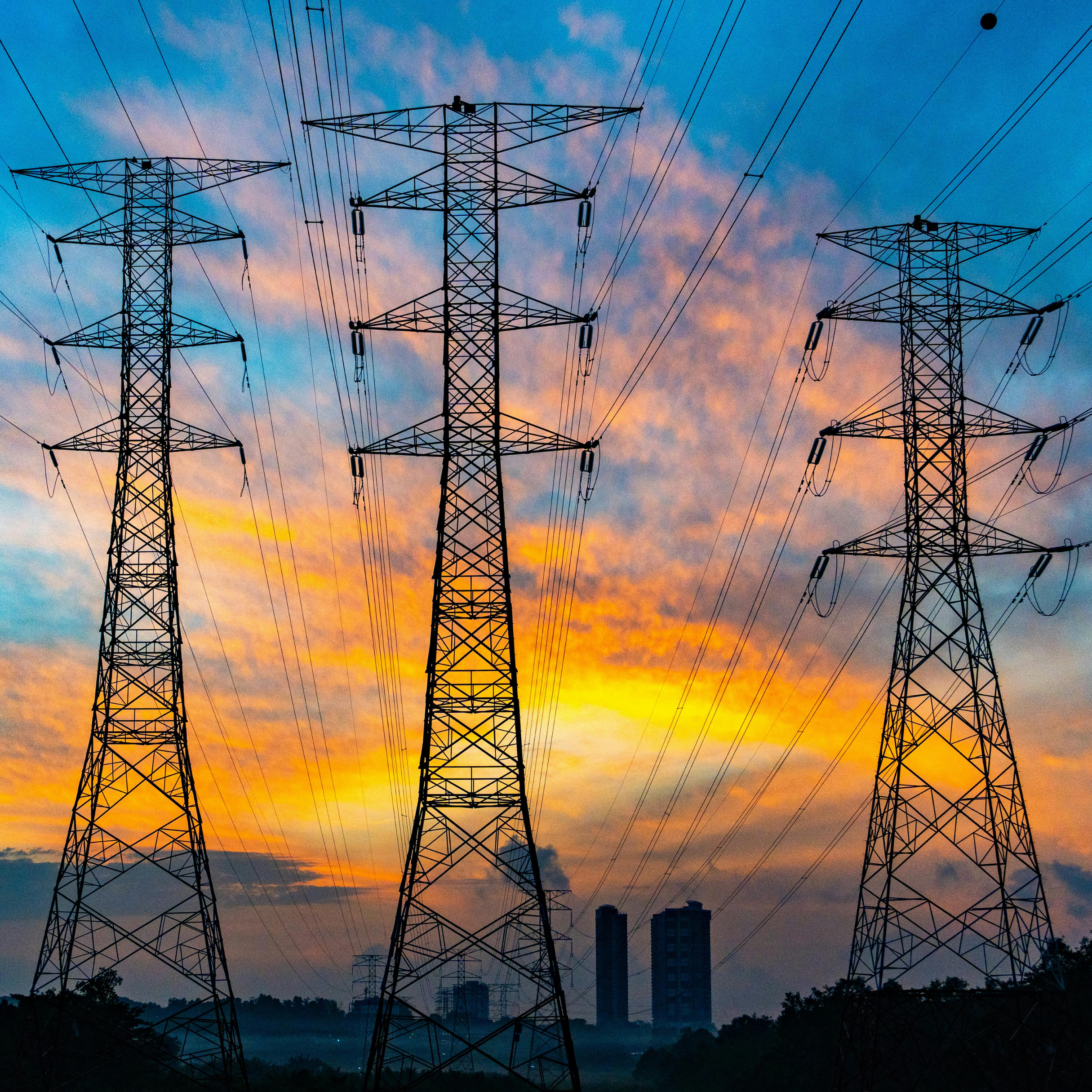
Instead of exporting excess solar during the day and buying electricity from the grid later, a battery can help you use more of the energy your own system generates. This increases your solar self-consumption and reduces grid reliance.
Power Your Home After Sunset
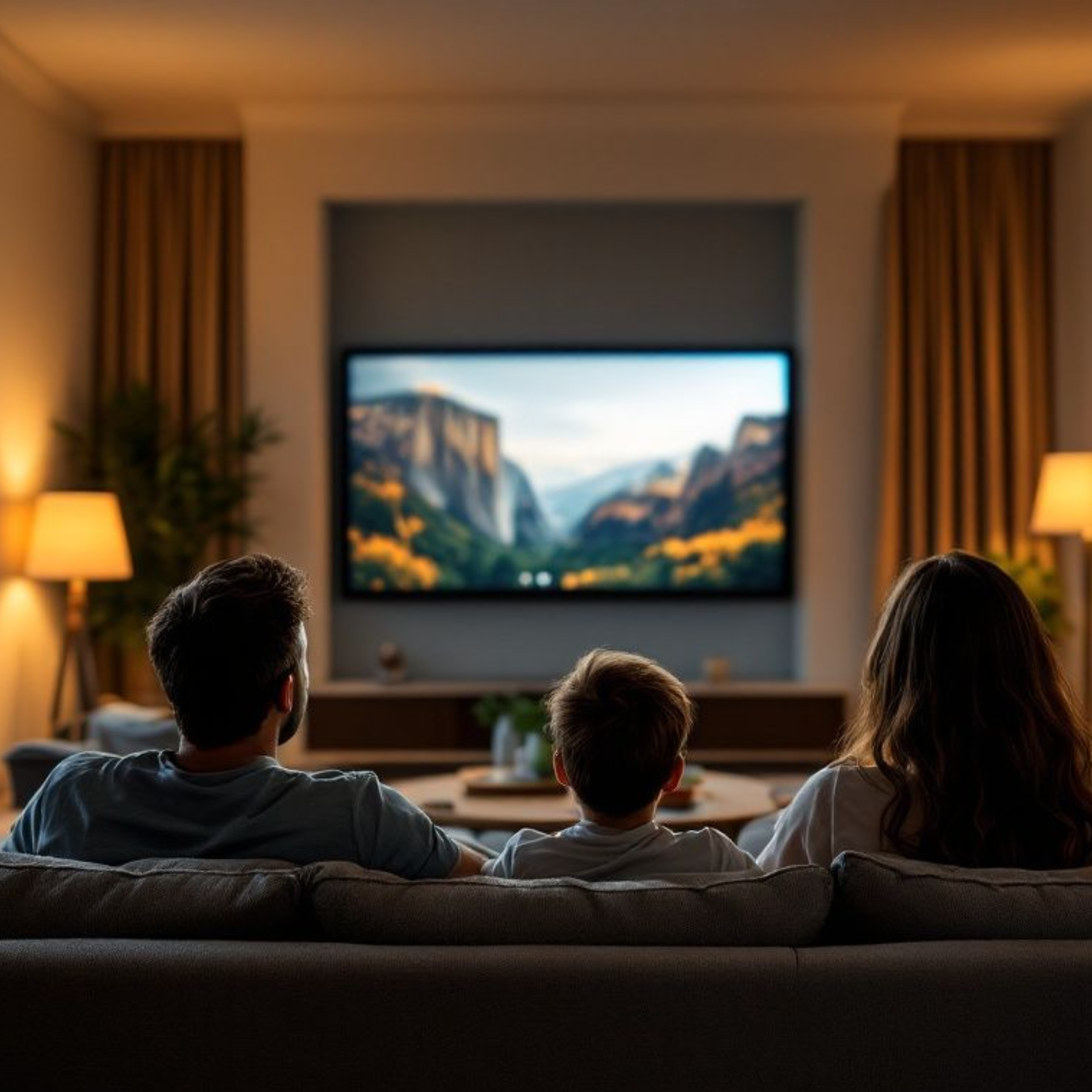
Your solar panels stop generating when the sun goes down, but your home doesn’t stop using electricity. With a battery, you can store energy during the day and use it in the evening and overnight — when your household may be using more power.
Backup Power When You Need It
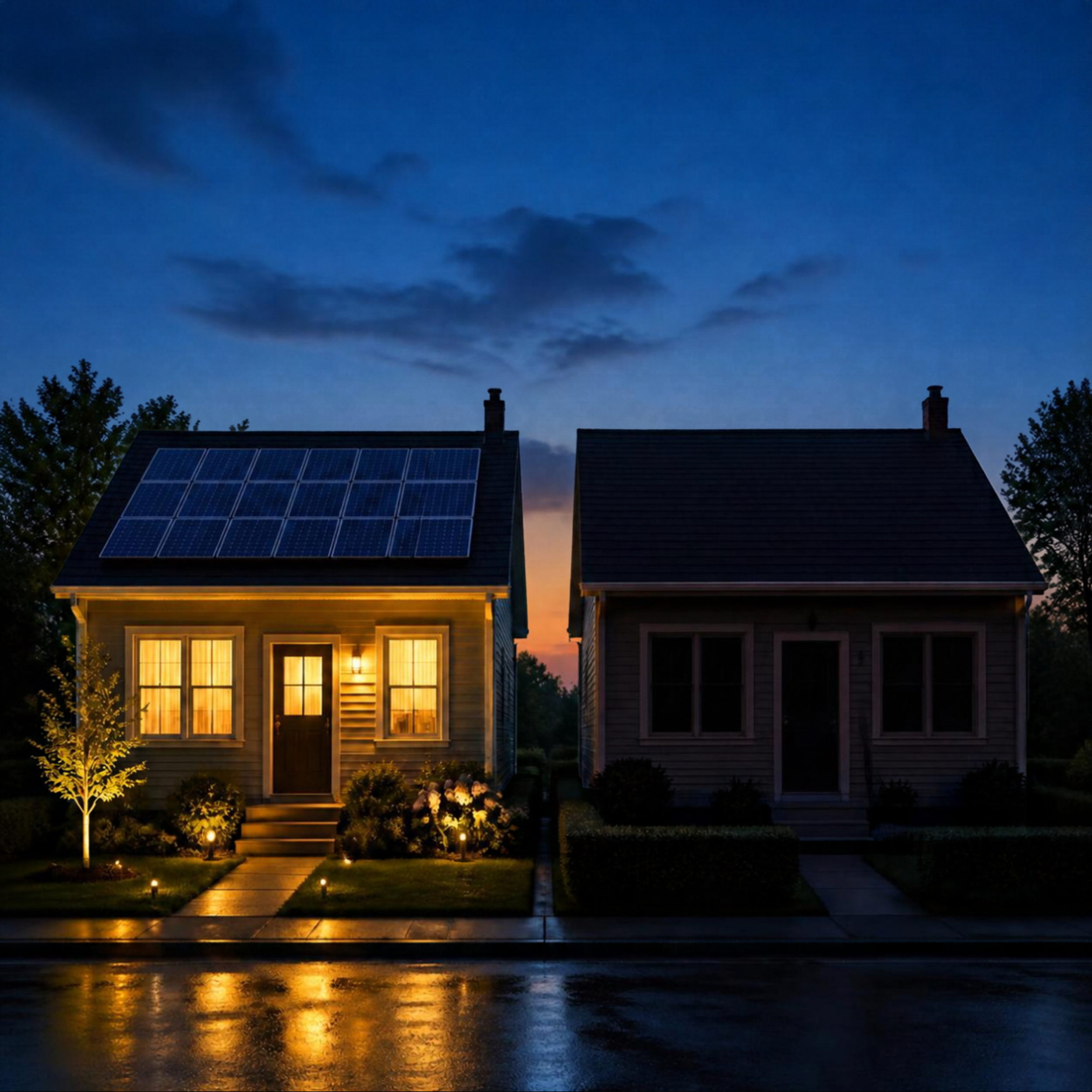
Depending on the battery and how your system is installed, you may be able to keep essential appliances running during a power outage. Some systems can provide backup power to selected circuits, while others can support more of your home.

Get More From Your Solar Investment
You’ve already invested in solar — a battery can help you make better use of the energy it produces. Instead of sending excess solar to the grid during the day, you can store more of it and use it yourself when you need it.
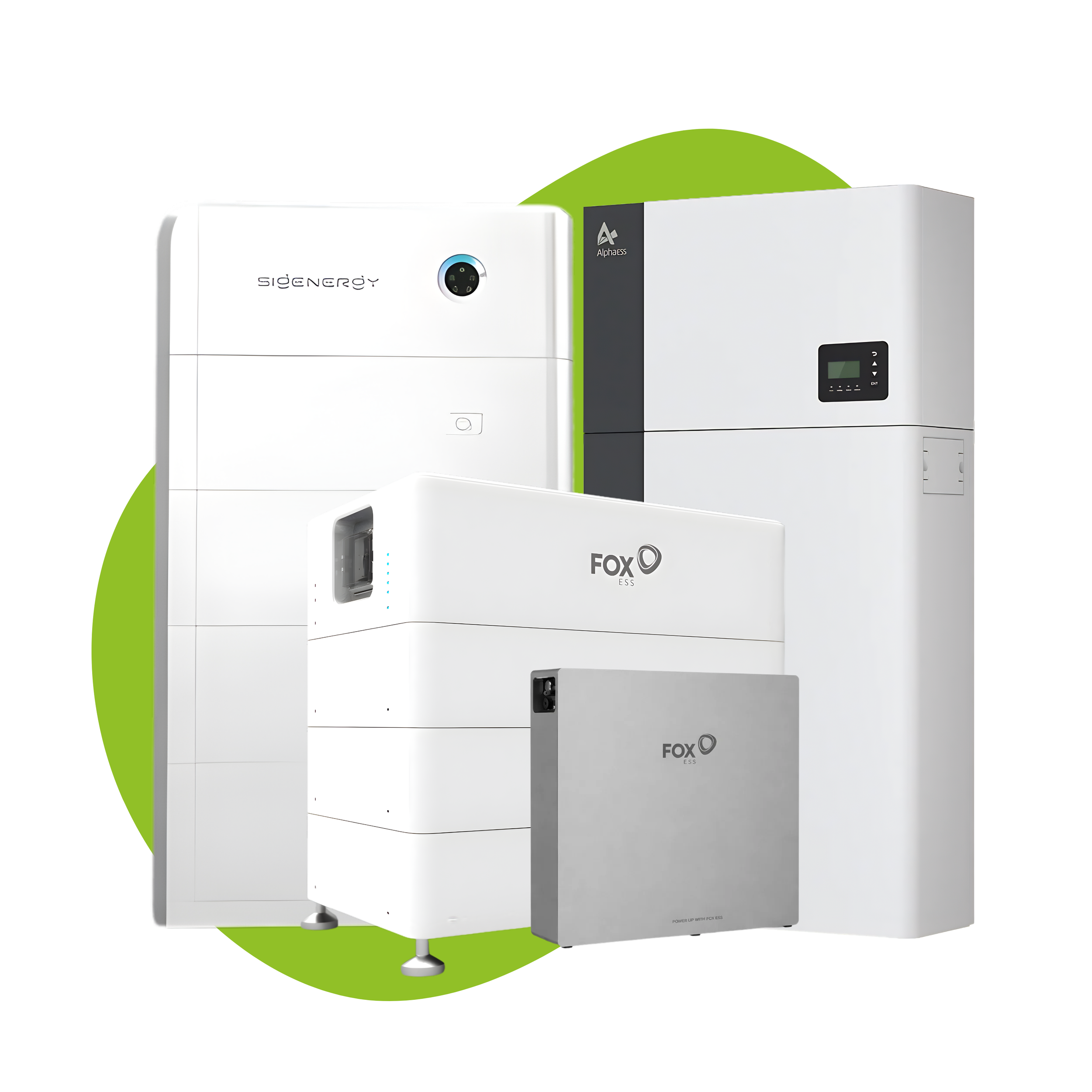
Brands We Prefer






Frequently Asked Questions
-
It stores excess solar energy for use at night, during periods of peak demand, or in the event of power outages.
-
Most batteries typically last between 10 and 15 years, though actual lifespan depends on how they are used and maintained.
-
Yes, particularly for households that have high electricity use in the evenings or that are worried about blackouts, it can be especially beneficial.
-
Yes, most systems can be upgraded with a compatible battery.
-
A solar battery size depends on your daily electricity use and how much backup you want. Typical needs:
5–10 kWh: essential backup
10–20 kWh: overnight household use
20–40+ kWh: whole-home or long-duration backup
-
Yes—only if the system includes backup functionality. A solar battery with a backup circuit or gateway will disconnect from the grid during a blackout and power selected essential loads (lights, fridge, Wi‑Fi, outlets). Full-home backup is possible with proper system size and configuration.
-
Yes. Solar batteries let you use more of your solar power at home instead of buying from the grid, especially during evening peak times. That lowers your power bills and increases savings over time, especially if you’re on a time-of-use plan.
-
Yes. Modern lithium solar batteries are designed with multiple safety systems including temperature control, fault protection, and automatic shutdown features. When installed by a licensed installer and used correctly, they are very safe for residential use.
-
Solar batteries can go in garages, utility rooms, or shaded outdoor walls if the area isn’t used for living and has required clearance and ventilation. They’re usually not allowed in bedrooms, small enclosed spaces, or places without airflow under CEC rules. This keeps installations safe, long-lasting, and compliant.
-
Very little. Solar batteries are mostly maintenance-free and operate automatically. They don’t require regular servicing, but occasional system checks or monitoring via an app helps ensure optimal performance and long-term health.