Why Go Solar ?
Solar energy is one of the most effective ways to reduce rising electricity costs and take control of your long-term energy usage. In South Australia, where power prices continue to increase, more homeowners and businesses are turning to solar and battery systems to gain energy independence, reduce bills, and protect themselves from future price rises.

Why are solar panels now showing up on almost every third roof across South Australia?
Solar panels are appearing on more rooftops across South Australia because more households are choosing solar energy to reduce electricity bills and take control of rising power costs.
Solar power allows you to generate your own electricity from the sun, reducing reliance on the grid and lowering monthly energy bills. Instead of paying full price for electricity from energy providers, you use clean energy produced on your roof to power your home or business.
For many Adelaide households, solar means lower electricity bills, more predictable energy costs, and long-term savings, while also protecting against ongoing electricity price increases.

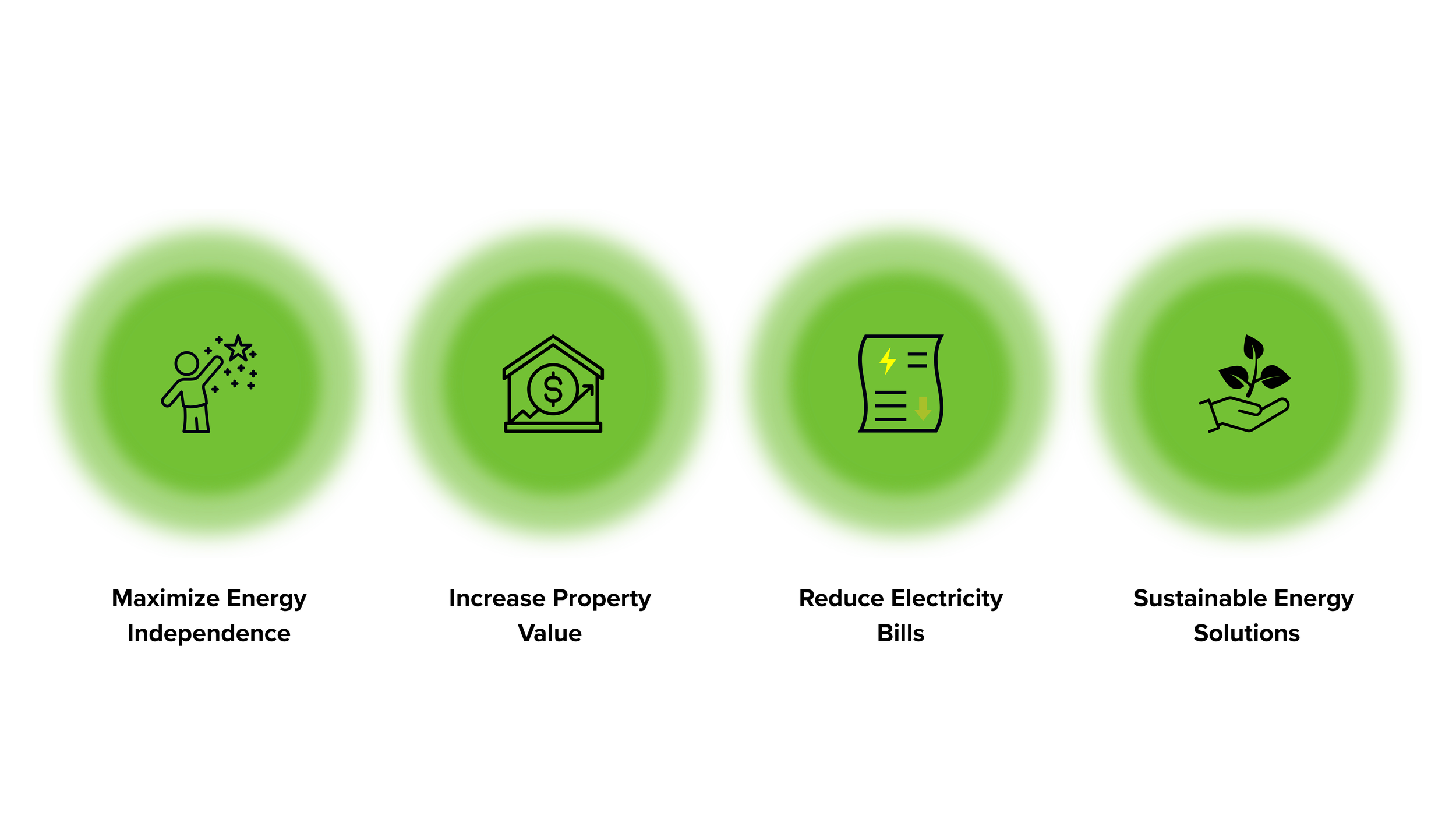
Benefits of Solar for Homeowners in Adelaide
How Solar Works
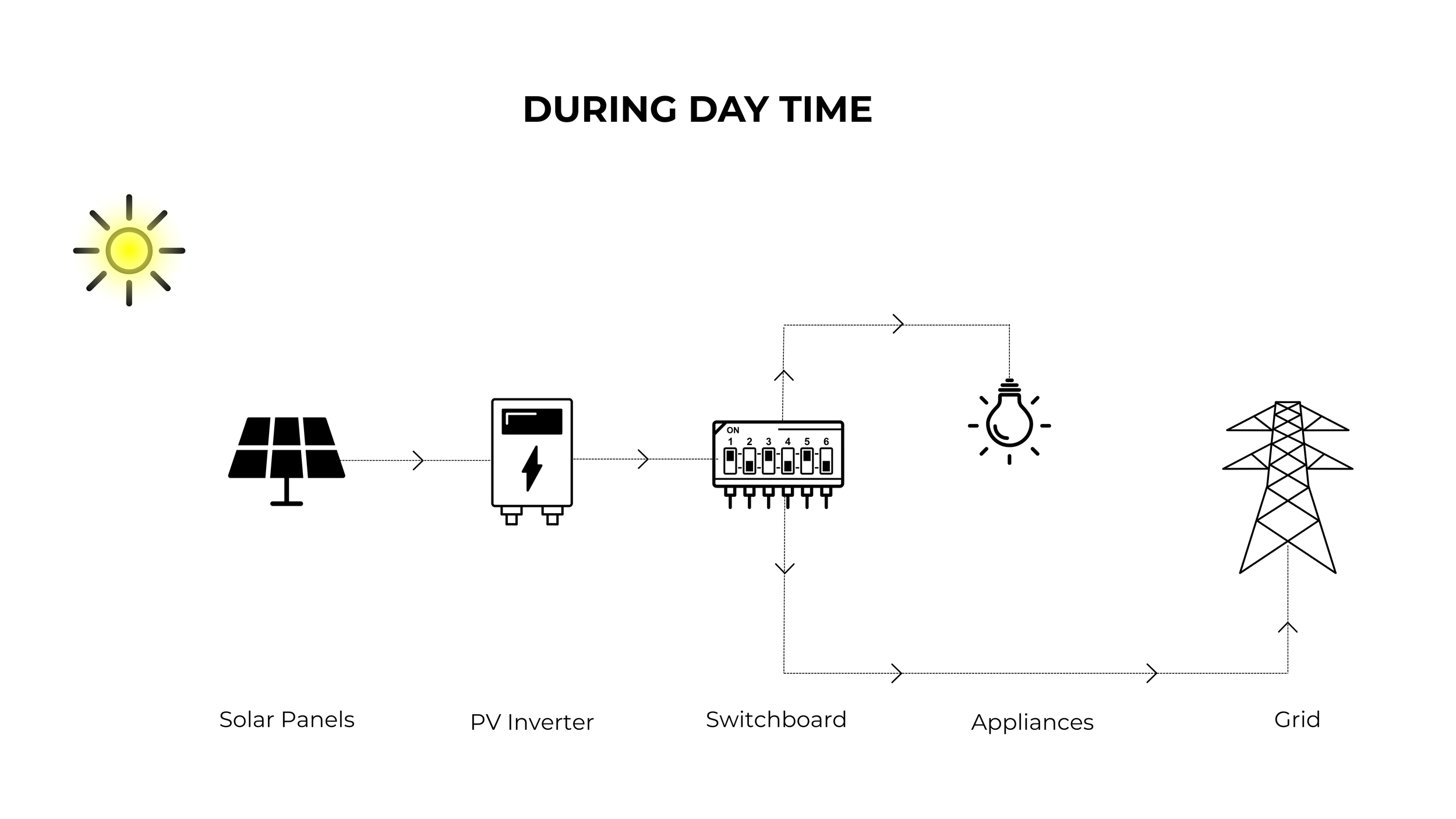
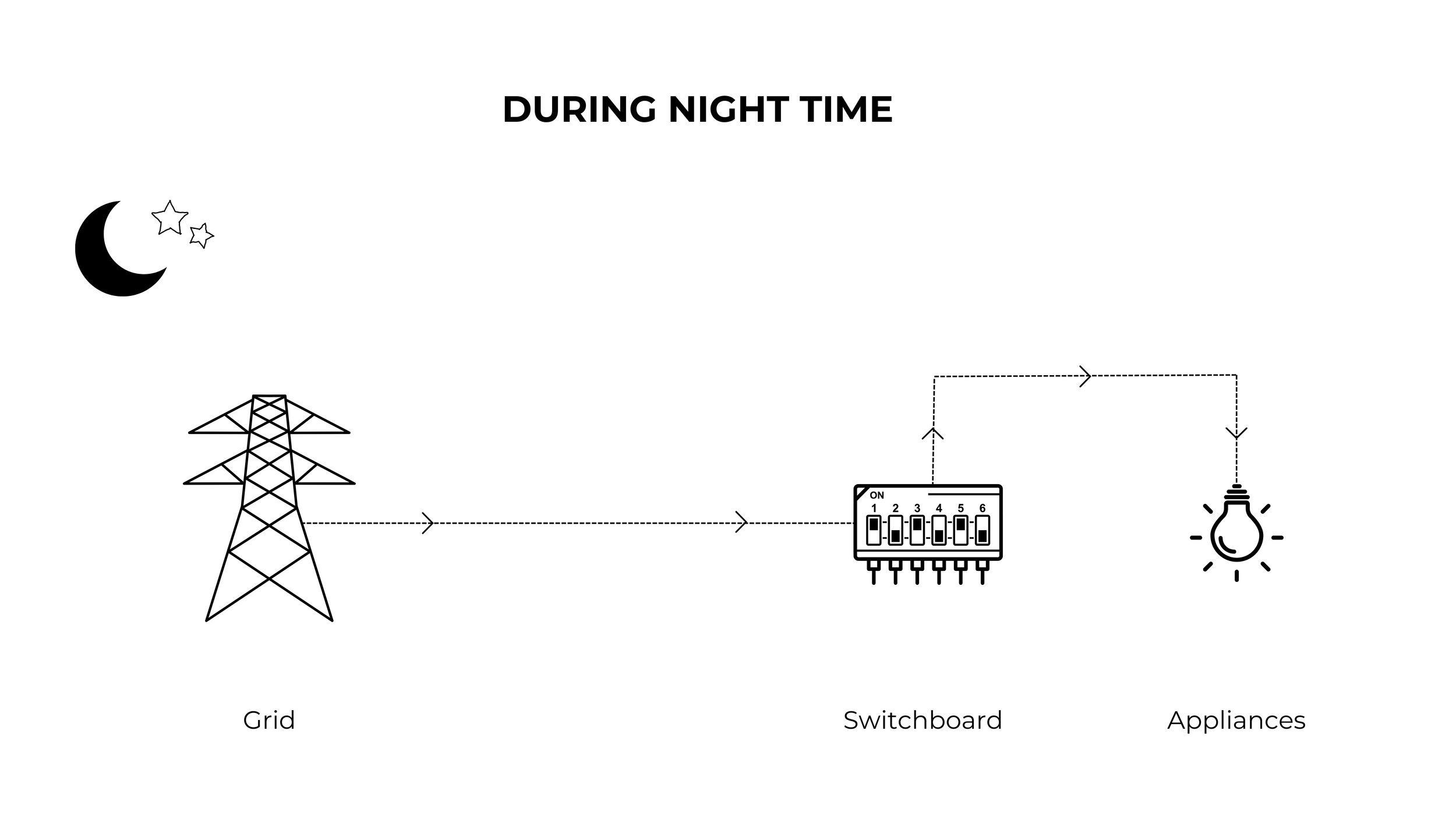
Solar panels work by capturing sunlight through rooftop solar panels and converting it into usable electricity. This electricity is first used to power your home. If your system produces more energy than you are using, the excess is either exported back to the grid or stored in a battery system for later use.
A solar inverter plays a key role by converting the energy from your panels into a form that your home can safely use. The entire system works automatically in the background, continuously reducing your reliance on grid electricity.
Cost vs Savings
The cost of installing solar varies depending on system size, but most households see a significant reduction in their electricity bills immediately after installation.
On average, solar systems can reduce electricity bills by approximately 30% to 80%, depending on energy usage patterns and system size. Over time, most systems pay for themselves within 3 to 6 years through energy savings.
Once the system is paid off, the electricity it generates is essentially free, making solar one of the most reliable long-term investments for reducing household or business expenses.
Solar is best suited for homeowners with high electricity bills, families who use power during the day, and businesses with consistent daytime energy consumption. It is also ideal for property owners planning to stay long-term and wanting to reduce ongoing energy costs and protect themselves from rising electricity prices.